How to Choose a Cushion Foundation: A Comprehensive Guide
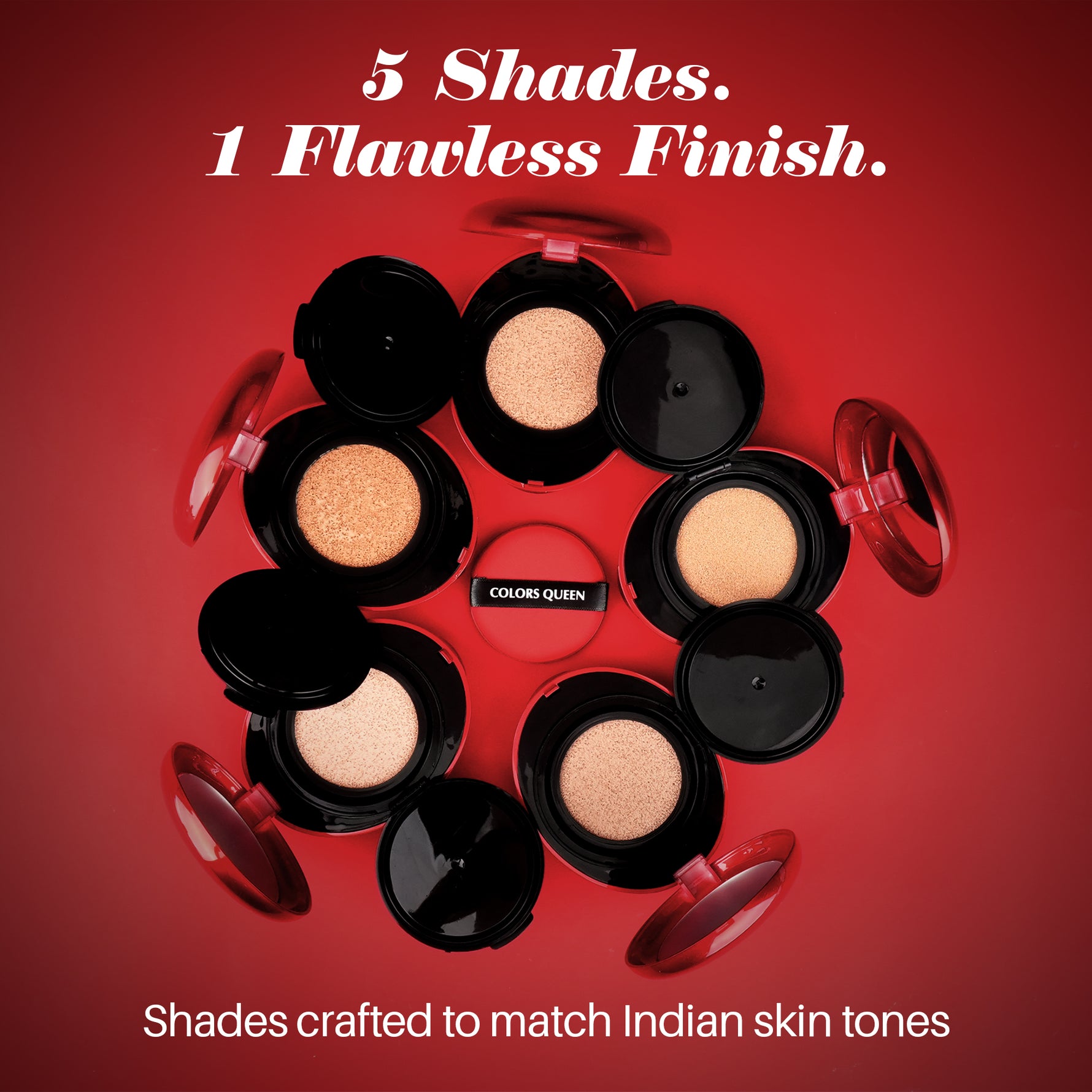
Understand What Cushion Foundation Is
- A cushion foundation is essentially a liquid foundation held in a sponge-like cushion inside a compact. You press a puff into the cushion to pick up product and pat it onto skin.
- Originating from K-beauty, it’s well-loved for its convenience and buildable coverage.
- Compared to traditional liquid foundations, cushions typically offer sheer to medium coverage and a satin or dewy finish.
Key Factors to Consider When Choosing
Here are the most important things to think about when selecting a cushion foundation:
Skin Type & Finish Preference
- Dry skin / dehydrated skin: Look for hydrating or dewy-finish cushions. These give skin a luminous, healthy glow.
- Oily skin / combination skin: Choose a cushion with matte or oil-control finish. Matte cushions help reduce shine and last longer on the T-zone.
- Sensitive skin: Opt for dermatologist-tested, fragrance-free formulas.
- Skin concerns (e.g., redness, pigmentation): If you want more coverage, pick a cushion that’s buildable and offers medium to high coverage.
Shade Matching
- Understone matters: Check whether the brand’s shade list labels undertones like C (cool), W (warm), or N (neutral).
- Test in natural light: This gives a truer sense of how the shade will look on your skin.
- If buying online: Use shade-matching tools or compare with a foundation you already own.
- When in doubt between two shades, it's often safer to go for the lighter one—you can always warm it up with bronzer.
Coverage and Buildability
- If you prefer a more natural, skin-like makeup look, go for lighter, buildable coverage.
- For more coverage, make sure the cushion allows layering without becoming cakey.
Packaging & Refill Options
- Portability is one of the biggest strengths of cushions — compact design makes them great for touch-ups.
- Check if the brand offers refills. Refills make the product more sustainable and economical in the long run.
- Make sure the puff is good quality; you’ll be using it for product pickup and blending.
Wear Time & Longevity
- Some cushion foundations claim long wear – check how many hours the formula is designed to stay intact.
- Consider environmental factors: humid climates may require different finishes than dry climates.
Ingredients / Skin Benefits
- Look for skin-beneficial ingredients: Some cushion foundations now include hydrating or antioxidant-rich ingredients.
- Check for SPF: Many cushions come with built-in sun protection (though it may not replace dedicated sunscreen).
How to Apply Cushion Foundation
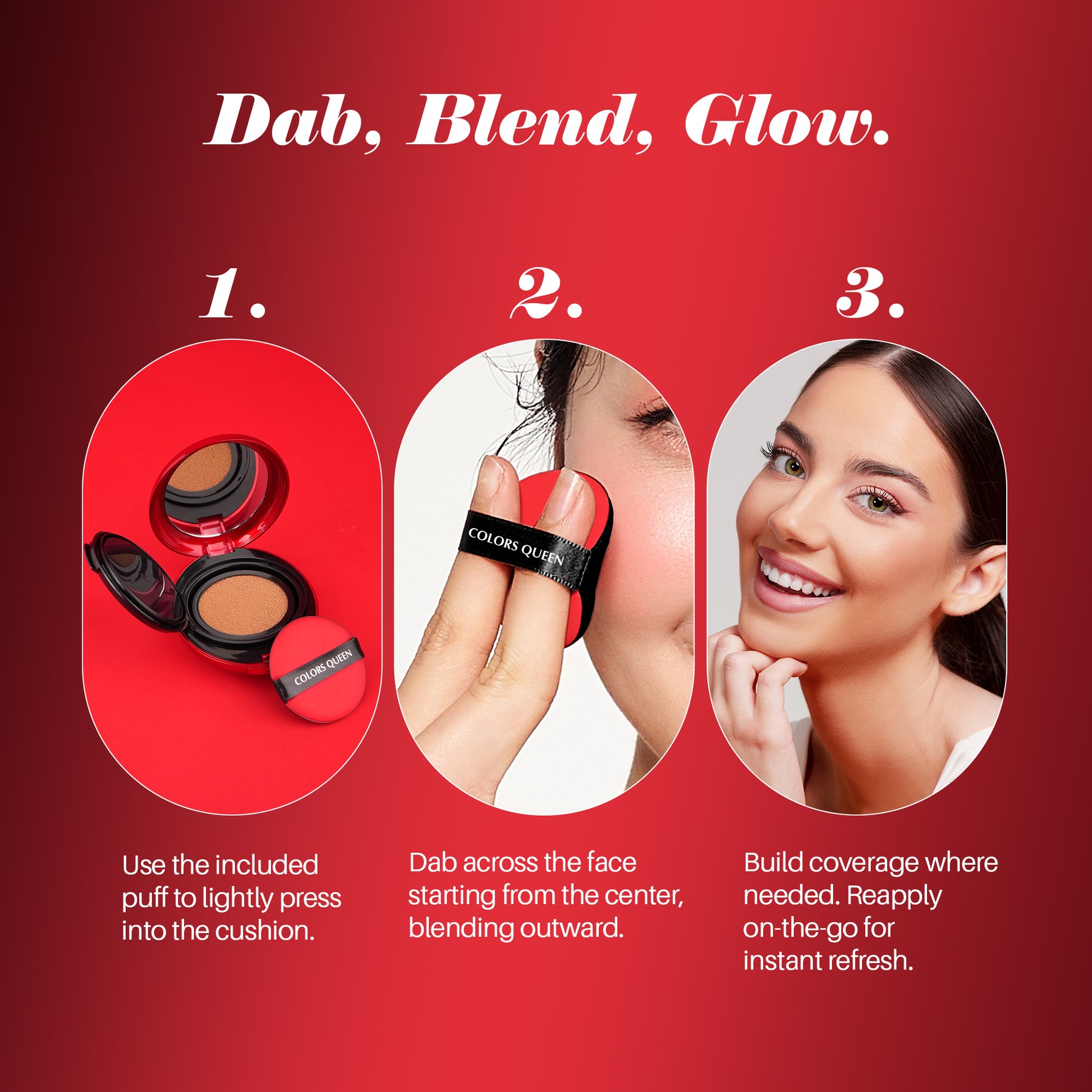
Once you’ve chosen the right cushion, applying it correctly is key to making it look natural and lasting longer.
- Prep your skin: Cleanse, moisturize, and apply your primer (if you use one).
- Pick up the product: Press the puff lightly into the cushion to pick up a moderate amount.
- Apply in layers: Use a gentle patting motion (don’t swipe) — start from the center of your face and blend outward.
- Build coverage if needed: For blemishes or redness, do a second light layer rather than overloading the first.
- Touch-ups: Use the puff to press more product only where needed (T-zone, under eyes, etc.).
- Clean your puff: Wash or replace the puff regularly to avoid bacterial buildup.
Colors Queen Red Cushion Foundation
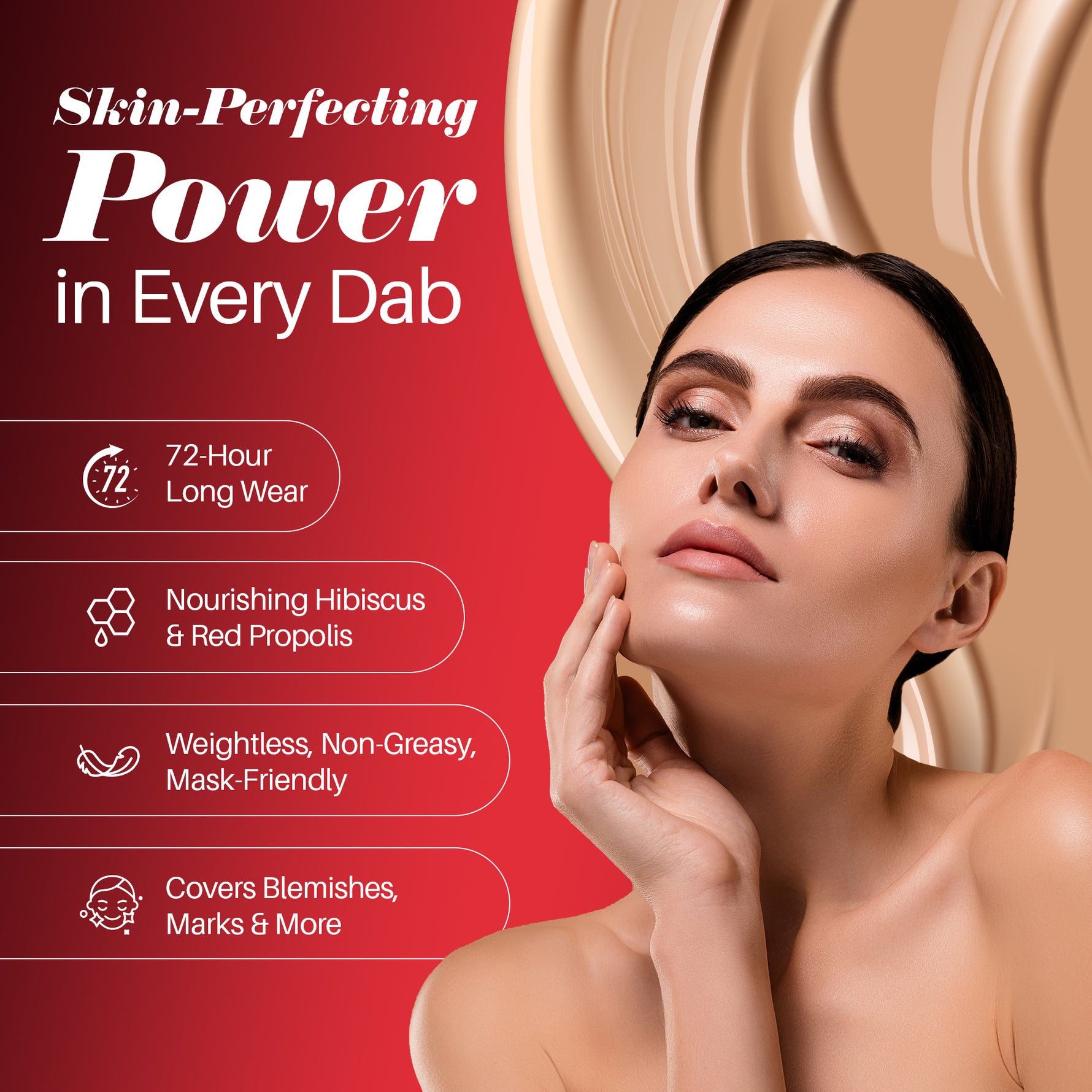
One standout in the cushion-compact world is the Colors Queen Cushion Foundation. Here’s a quick breakdown of this product:
- It’s a liquid-cream formula inside a compact cushion, giving a satin-glow finish.
- The texture is ultra-light, making it comfortable to wear and easy to build.
- According to the brand, the formula is long-wear — you can go for extended hours without worrying much about fading.
- For the skin-care angle: the cushion includes ingredients like hibiscus and red propolis for antioxidant benefits.
- It’s designed for convenience: comes in a compact with a puff applicator, making it travel-friendly.
- Since shade matching is critical, you should test a shade in light that matches your skin tone; Colors Queen’s website may have a shade chart or swatches (check before purchasing).
Frequently Asked Questions (FAQs)
Q1: Is cushion foundation good for oily skin?
- Yes but make sure to choose a cushion with a matte or oil-control finish, and blot or set with powder if needed.
- Some users say cushion foundations don’t last as long on oily skin as liquid foundations, depending on the formula.
Q2: Can I use cushion foundation every day?
- Yes, you can use it daily, especially if it suits your skin type.
- Just ensure you clean your puff regularly to avoid hygiene issues.
Q3: How do I pick the right shade without testing in-store?
- Use your current foundation shade as a reference and cross-match with the cushion brand.
- Try online shade-matching tools or examine swatch photos/reviews.
- Ask for a sample if the brand or retailer offers.
Q4: Does cushion foundation provide sun protection?
- Some cushions include SPF, but you should not rely on them as your sole sun protection unless the SPF is very high and broad-spectrum.
- It's safer to apply a proper sunscreen under your base.
Q5: How long does a cushion last?
- That depends on usage frequency: with daily use, a cushion may last a few months.
- Using refills (if available) can extend the compact's lifespan.
Q6: Can cushion foundations darken / oxidize on skin?
- Yes, oxidation can happen depending on the formula and your skin chemistry.
- To minimize this, test in natural light and maybe choose a slightly lighter shade if you're between two.
Also know:- Hollywood Flawless Filter Liquid Foundation


Comments
Post a Comment